
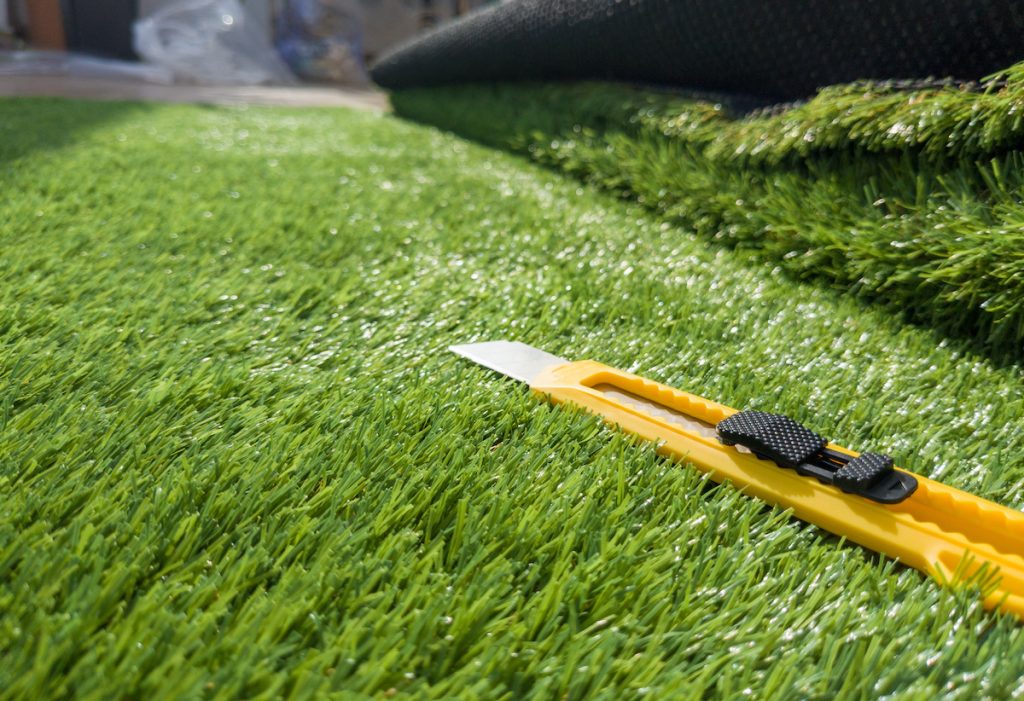
Having turf professionally installed is one of the most effective ways to transform an outdoor space quickly. Unlike seeding, which can take months to produce a usable lawn, freshly laid turf establishes in appearance immediately and is typically ready for light use within a few weeks. Getting the installation right, however, requires careful planning from the start.
Why professional installation makes a difference
Many homeowners attempt to lay turf themselves, and while it is certainly possible to achieve a reasonable result with care and preparation, professional installation consistently produces better outcomes. Experienced installers have the equipment to grade and prepare soil properly, the expertise to handle varying site conditions, and the efficiency to complete the job before the turf deteriorates.
Turf is a perishable product. Once cut from the farm, it begins to deteriorate at a rate that depends on temperature, humidity, and how densely it has been rolled. In Queensland’s warm climate especially, delays of even a day or two between cutting and laying can significantly affect how well the turf roots and establishes after installation.
Professional installers understand these logistics and plan accordingly — scheduling delivery, site preparation, and laying to minimise time between cut and installation. This level of coordination is difficult to replicate as a first-time DIY project, particularly on larger properties where the volume of turf involved is significant.
Preparing the site before your turf arrives
Proper site preparation is arguably more important than the quality of the turf itself. A perfectly healthy roll of grass laid on poorly prepared soil will fail — struggling with poor drainage, weed competition, or inadequate root establishment. Preparing the site properly is the single most valuable step you can take before the turf is delivered.
Working with an experienced team for turf installation Fraser Coast means having access to professionals who understand the specific soil and climate conditions of the region. Local expertise translates into better variety recommendations, accurate site assessments, and installation practices suited to the actual conditions your lawn will face throughout the year.
The soil should be cultivated to a depth of around one hundred millimetres before laying begins. Compacted soil prevents roots from penetrating effectively, limiting the lawn’s ability to access water and nutrients. Rotary hoeing followed by careful grading — to eliminate low spots where water might pool — sets the site up properly.
Soil amendment may be needed depending on existing conditions. Sandy soils benefit from organic matter and water-retention products; heavy clay soils often require gypsum to improve drainage and structure. A simple soil test before preparation begins is the most reliable way to determine which amendments are actually needed for your specific site.
The laying process and what to expect
Fresh turf should be laid immediately on delivery, starting from a straight edge and working outward across the site. Rolls should be offset in a brick-pattern arrangement, with joins pushed tightly together to prevent gaps from opening during establishment. Edges and curves should be cut as you go using a sharp spade or turf cutter.
Once laid, the turf should be rolled with a lawn roller to ensure firm contact between the roots and the soil surface beneath. This step is frequently skipped in DIY installations and contributes directly to uneven establishment. Rolling also helps level any minor surface irregularities that remain after the grading and preparation stage.
The newly laid lawn should be watered deeply and immediately after installation is complete. This first deep watering encourages the roots to begin making contact with the soil below. Watering twice daily for the first two weeks is standard practice in warm conditions, reducing gradually to once daily as the root system becomes established.
A beautiful outdoor space holds real value for Australian homeowners and property developers alike. Much like thoughtfully chosen Perth corporate gifts make a lasting impression in a professional context, a well-installed lawn creates an immediate sense of quality and care that significantly enhances a property’s appeal from the moment it is laid.
Aftercare through the establishment period
The first four to six weeks after laying are when your lawn is most vulnerable and most in need of consistent care. Keeping foot traffic off the new turf during this period gives the roots the best possible chance to knit firmly into the soil beneath. Even well-intentioned use too early can disrupt the establishment process significantly.
Watering needs to be adjusted as the lawn progresses. A useful test is to lift a corner of the turf and look for visible roots penetrating the soil below — this indicates good establishment progress. As roots develop, reduce watering frequency while increasing depth, encouraging them to follow moisture deeper into the soil profile.
The first mow should occur when the lawn is well enough rooted to withstand the mower’s weight — typically three to four weeks after laying depending on conditions. Set the cutting height higher than usual for this first pass, and ensure the mower blade is sharp to avoid tearing at newly established grass that is still vulnerable.
Fertiliser applied at the four to six week mark supports strong root development and helps the lawn achieve its full colour and density. Use a product recommended for your chosen variety, apply at the correct label rate, and water it in well after application to prevent any risk of burn on young and still-developing grass.
Common mistakes and how to avoid them
Laying turf over existing weeds is one of the most common installation mistakes, and it creates persistent problems that are difficult and expensive to fix. Weeds suppressed during establishment will re-emerge as the new lawn thins or stresses, competing aggressively with grass that has not yet fully developed its root system.
Poor grading is another frequent issue that causes long-term frustration. Low spots cause water pooling that kills turf directly; high spots dry out and stress the lawn during hot weather. Taking time to grade the site carefully before laying — and correcting any remaining unevenness after the first few weeks — prevents these outcomes.
Underestimating water requirements during hot weather is a serious and surprisingly common mistake. Turf installed in summer in Queensland’s warm regions requires close and consistent attention to irrigation in the first two weeks. Missing even a single watering on a particularly hot day can cause sections to die before roots have established.
A properly installed lawn, cared for correctly through the establishment phase, will reward you with years of dense, healthy grass resilient enough to handle the demands of an Australian household and outdoor lifestyle. The investment in professional installation and quality preparation is repaid many times over in the result achieved.